
For the first time in years, choosing a pair of Bose noise cancelling headphones is genuinely difficult. In August 2026 Bose pushed most of its flagship feature set — TrueSpatial immersive audio, lossless audio over USB-C, a six-microphone noise cancelling array — down into the $359 QuietComfort Headphones (2nd Gen), a full $90 below the $449 QuietComfort Ultra Headphones (2nd Gen). The gap between the two models has never been narrower, which raises the obvious question: is the Ultra still worth the upgrade, or has Bose just made its own flagship redundant? We compared them head-to-head on noise cancelling, sound, comfort, features, and value.
Reviews Universe is reader-supported. When you buy through links on our site, we may earn an affiliate commission at no extra cost to you.
Quick Verdict
Winner for most people: the Bose QuietComfort Headphones (2nd Gen) at $359. It now carries roughly 90% of the Ultra experience for 80% of the price, and the features it drops are ones most listeners will never miss.
Buy the QuietComfort (2nd Gen) if you want the best value in premium noise cancelling headphones, listen mostly over Bluetooth, and care more about comfort and quiet than about squeezing out the last few percent of audio fidelity.
Buy the QuietComfort Ultra (2nd Gen) if you want the strongest noise cancelling Bose makes, own a Snapdragon Sound Android phone that can feed it aptX Adaptive, or want CustomTune ear-canal calibration tuning the sound to your specific ears.
Bose QuietComfort (2nd Gen) vs Ultra (2nd Gen): Specs Compared
| QuietComfort (2nd Gen) | QuietComfort Ultra (2nd Gen) | |
|---|---|---|
| Price | $359 | $449 |
| Released | August 2026 | 2026 |
| Battery (noise cancelling on) | Up to 24 hours | Up to 24 hours (about 27 hours measured) |
| Battery (immersive audio on) | Up to 18 hours | Up to 18 hours |
| Quick charge | 15 min = 2.5 hours | 15 min = 2.5 hours |
| Noise cancelling microphones | Six-microphone adaptive array | Adaptive array with CustomTune |
| Ear-canal calibration | No | Yes (CustomTune at every startup) |
| Immersive audio | TrueSpatial: Still, Motion, Cinema | Immersive Audio incl. Cinema mode |
| Bluetooth | 5.4 with multipoint | 5.4 with multipoint |
| Bluetooth codecs | SBC, AAC | SBC, AAC, aptX, aptX Adaptive |
| Snapdragon Sound | No | Yes |
| Lossless over USB-C | Yes, up to 24-bit/48kHz | Yes |
| Wired analog option | Yes (USB-C cable included) | Yes |
| Equalizer | 3-band in app | 3-band in app |
| Water resistance rating | None | None |
| Colors | 5 (incl. Eucalyptus Green, Dewdrop Mint) | Fewer, more conservative finishes |
Bose QuietComfort Headphones (2nd Gen) — The New Value Champion ($359)
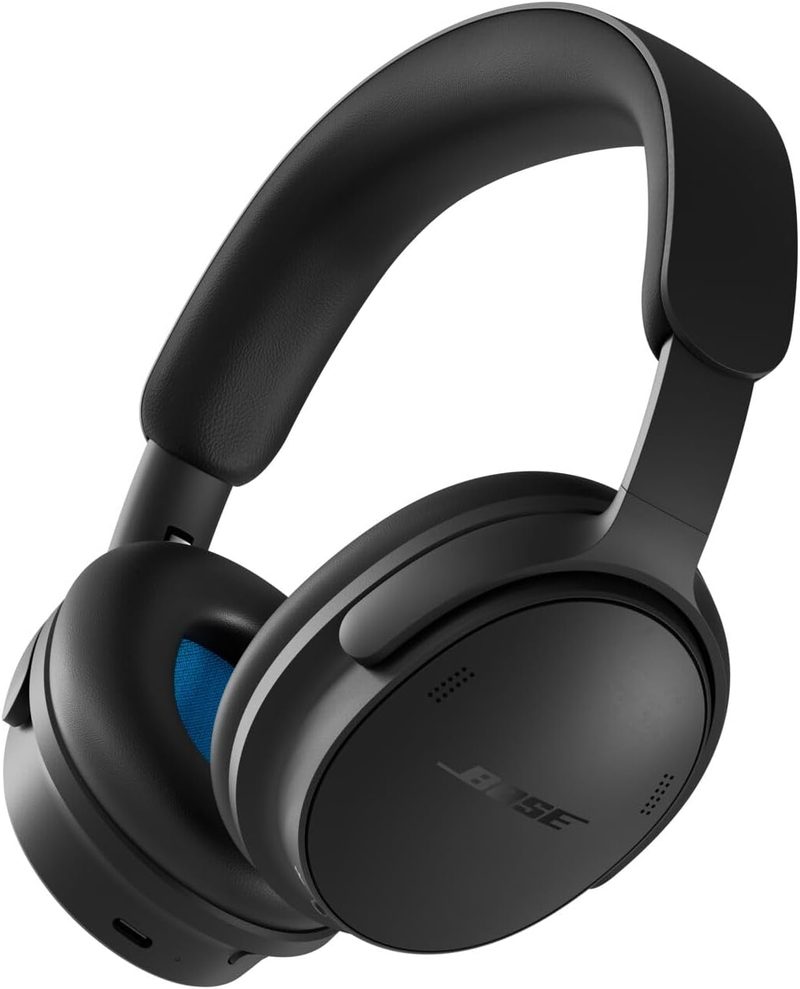
The QuietComfort Headphones (2nd Gen) landed in August 2026 and immediately scrambled the Bose lineup. The headline change is that Bose stopped treating immersive audio as an Ultra-only luxury. TrueSpatial now ships on the $359 model with all three modes — Still, which anchors the soundstage in front of you; Motion, which lets the stage track your head movement; and Cinema, tuned for films and long-form video. On the previous generation you had to spend up to reach any of this.
The second big addition is lossless playback over USB-C at up to 24-bit/48kHz. Plug into a laptop, a tablet, or a phone with a USB-C port and you bypass Bluetooth compression entirely. For anyone who keeps high-resolution files or subscribes to a lossless streaming tier, this is a meaningful upgrade over the Bluetooth-only previous model, and it is the single feature most likely to make an audio-focused buyer choose this over older discounted flagships.
Noise cancelling comes from a redesigned six-microphone adaptive feedforward array, and Bose specifically tuned this generation for two groups its previous headphones struggled with: people who wear glasses and people with long hair, both of which break the seal around the earcup and let low-frequency noise leak in. The Aware transparency mode also gets a refined ActiveSense response that clamps down faster on sudden loud sounds, so a passing siren does not spike straight through. Battery life is 24 hours standard, dropping to 18 with immersive audio running, and a 15-minute charge buys 2.5 hours.
Comfort is where Bose has always won and this model does not give ground. The headband is redesigned with softer synthetic-leather cushioning and Bose has optimized the clamping force, so it stays put without the vice-grip pressure some rivals need to seal properly. Five colors are available, including Eucalyptus Green and Dewdrop Mint alongside the usual Black and White Smoke.
Pros
- TrueSpatial immersive audio with Still, Motion and Cinema modes, previously Ultra-only
- Lossless audio over USB-C at up to 24-bit/48kHz
- Six-microphone noise cancelling tuned for glasses wearers and long hair
- 24-hour battery life, 18 hours with immersive audio active
- $90 cheaper than the Ultra with most of the same feature set
- Excellent all-day comfort and five color options
Cons
- No aptX or aptX Adaptive support — SBC and AAC only over Bluetooth
- No CustomTune ear-canal calibration
- Noise cancelling is very good but a step behind the Ultra
- No water resistance rating
- Only a 3-band equalizer in the app
Bose QuietComfort Ultra Headphones (2nd Gen) — Still the Quietest ($449)
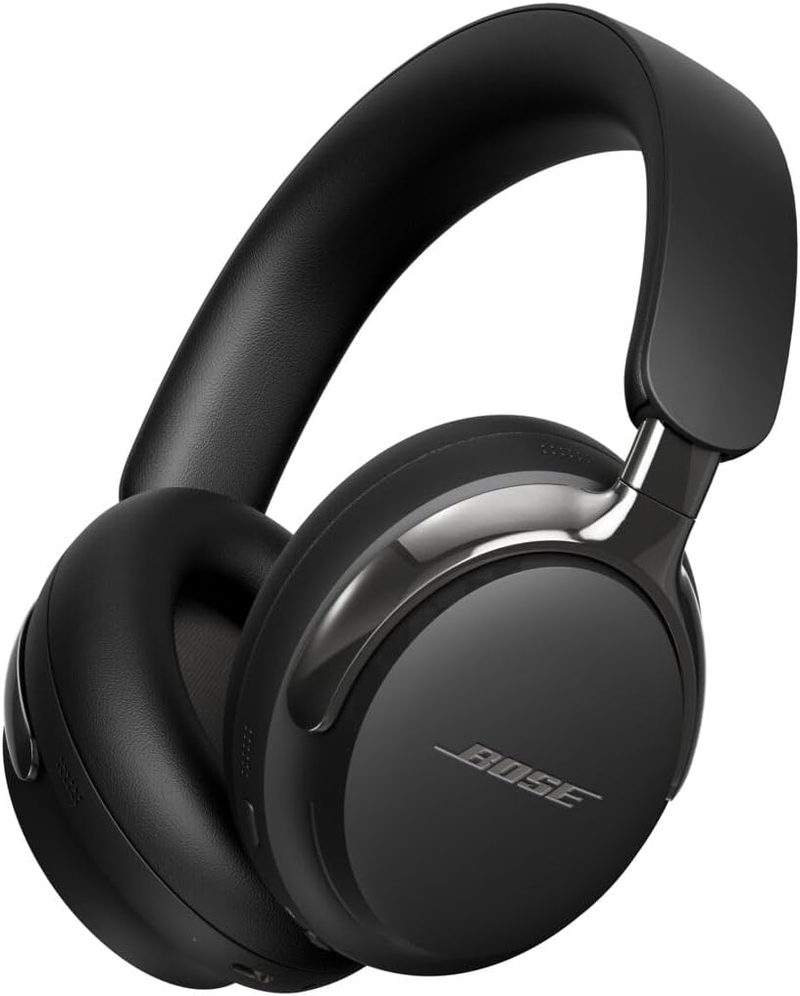
The QuietComfort Ultra Headphones (2nd Gen) remain the top of the Bose range, and the reason is still noise cancelling. In standardized measurement the Ultra cuts perceived loudness by roughly 87% on average — an extraordinary figure that translates, in practice, to airline cabin noise dropping to a distant hush rather than a muted rumble. If your headphones exist primarily to make long-haul flights and open-plan offices bearable, this is the strongest tool Bose sells.
The Ultra’s other genuine exclusive is CustomTune. Every time you put the headphones on, the Ultra plays a tone into your ear canal, measures how it reflects back, and calibrates both the noise cancelling and the frequency response to the specific shape of your ears. No two people get exactly the same tuning. It is a subtle effect rather than a dramatic one, but it is the reason the Ultra tends to sound better calibrated out of the box than almost anything else at this price without any manual equalizer work.
Codec support is the third differentiator. The Ultra adds aptX and aptX Adaptive and carries Snapdragon Sound certification, which matters if you have a compatible Android phone — typically a recent Samsung Galaxy or another Snapdragon flagship. On that pairing you get higher-bitrate wireless audio and lower latency than the AAC ceiling the cheaper model is stuck with. On an iPhone, where AAC is the ceiling regardless, this advantage evaporates entirely.
Battery life measured out at about 27 hours in testing, comfortably beating the 24 hours Bose claims. Like its cheaper sibling, the Ultra carries no water resistance rating, so neither model is a gym or running headphone. Both offer the same 3-band app equalizer and the same Bluetooth 5.4 multipoint connection.
Pros
- The strongest noise cancelling Bose makes, roughly 87% reduction in perceived loudness
- CustomTune calibrates sound and noise cancelling to your ear canal at every startup
- aptX and aptX Adaptive with Snapdragon Sound certification
- About 27 hours of real-world battery life, beating the official 24-hour rating
- Best-calibrated sound out of the box in the Bose range
- Lossless audio over USB-C
Cons
- $90 more than the QuietComfort (2nd Gen) for a narrower advantage than in past generations
- aptX Adaptive is useless on iPhone — Apple devices cap out at AAC
- CustomTune is a subtle refinement, not a dramatic difference
- No water resistance rating despite the flagship price
- Cinema spatial mode results vary depending on the source material
Head-to-Head: Where the $90 Actually Goes
Noise Cancelling: Ultra Wins, But By Less Than Before
The Ultra is measurably quieter. Its adaptive system paired with CustomTune calibration reduces perceived loudness by around 87%, and it holds that advantage most clearly in the low frequencies — aircraft cabins, train carriages, air conditioning, road noise. The QuietComfort (2nd Gen) closes much of the gap with its new six-microphone array, and it specifically fixed the seal problems that used to punish glasses wearers. Side by side in a quiet room you would struggle to tell them apart. On a long-haul flight you would notice. Whether that difference is worth $90 depends entirely on how many long-haul flights you take.
Sound Quality: A Tie Over Bluetooth, Ultra Ahead Over aptX
Over an iPhone, these two headphones sound remarkably similar, because both are limited to the AAC codec and both run the same SoundDesign processing and the same 3-band equalizer. Over a Snapdragon Sound Android phone, the Ultra pulls ahead thanks to aptX Adaptive delivering more data per second. And over USB-C, both go lossless — the QuietComfort (2nd Gen) at up to 24-bit/48kHz — which for a lot of listeners is the most interesting listening mode either headphone offers. CustomTune gives the Ultra a better default tuning, but a few minutes in the equalizer narrows that gap.
Immersive Audio: Effectively Equal Now
This used to be the Ultra’s headline exclusive and it is not anymore. TrueSpatial on the QuietComfort (2nd Gen) delivers the same three modes — Still, Motion, and Cinema — and the processing is the same Bose technology. If immersive audio was the reason you were eyeing the Ultra, that reason no longer exists. Both take a battery hit for it, dropping from 24 hours to 18.
Comfort and Build: A Genuine Tie
Both are classic Bose: light, low clamping force, soft synthetic-leather cushioning, and the ability to disappear on your head for a six-hour work session. The 2nd Gen QuietComfort actually has the newer headband design. Neither has a water resistance rating, so neither belongs at the gym. The cheaper model wins on color choice with five finishes including Eucalyptus Green and Dewdrop Mint.
Price and Value: Not Close
At $359 versus $449, the QuietComfort (2nd Gen) is the better buy for the large majority of people. Bose has moved immersive audio and lossless USB-C audio down the range, and what is left behind the higher price is a modest noise cancelling improvement, CustomTune, and a codec that only helps Android users. That is a real but narrow list. If you find the Ultra discounted to within $40 of the cheaper model, take the Ultra. At full price, the value case belongs firmly to the QuietComfort (2nd Gen).
Frequently Asked Questions
What is the difference between Bose QuietComfort 2nd Gen and QuietComfort Ultra 2nd Gen?
Three things separate them. The Ultra has stronger noise cancelling, cutting perceived loudness by around 87%. The Ultra has CustomTune, which calibrates sound and noise cancelling to your ear canal every time you put the headphones on. And the Ultra supports aptX and aptX Adaptive with Snapdragon Sound certification, which only benefits compatible Android phones. Everything else — TrueSpatial immersive audio, lossless USB-C audio, 24-hour battery, Bluetooth 5.4 multipoint, the 3-band equalizer — is now shared between the two models.
Is the Bose QuietComfort Ultra worth $90 more than the standard QuietComfort?
For most people, no. Bose moved its two biggest former exclusives — immersive audio and lossless USB-C playback — down to the $359 model in August 2026, which leaves the Ultra defending its price with a modest noise cancelling advantage and CustomTune. The Ultra is worth it if you fly long-haul frequently, if you own a Snapdragon Sound Android phone that can actually use aptX Adaptive, or if you find it discounted close to the cheaper model.
Do the Bose QuietComfort Headphones 2nd Gen support lossless audio?
Yes. The QuietComfort Headphones (2nd Gen) support lossless playback over USB-C at up to 24-bit/48kHz, a feature that did not exist on the previous generation. You connect the included USB-C cable to a laptop, tablet, or phone and bypass Bluetooth compression entirely. Over Bluetooth the headphones are limited to the SBC and AAC codecs, so wireless listening is not lossless.
Which Bose headphones are better for glasses wearers?
The QuietComfort Headphones (2nd Gen). Bose specifically retuned this generation’s six-microphone noise cancelling array to compensate for the seal break that glasses arms create at the earcup, and the same tuning helps people with long hair. This was one of the most common complaints about previous Bose models, and it is addressed on the newer, cheaper headphones rather than on the Ultra.
Can you use either of these headphones for running or the gym?
Neither is a good choice. Both the QuietComfort (2nd Gen) and the QuietComfort Ultra (2nd Gen) ship with no water resistance rating at all, which means sweat is a genuine risk to both. They are designed for commuting, flying, office work, and home listening. For workouts, look at sweat-rated wireless earbuds with an IPX4 rating or better instead.
How long do the batteries last on each model?
Both are rated for 24 hours with noise cancelling active, dropping to about 18 hours if you leave immersive audio switched on. In standardized testing the Ultra actually ran to roughly 27 hours, beating its own rating. Both support a 15-minute quick charge that delivers about 2.5 hours of playback, which is enough to rescue a forgotten charge before a flight.
Final Verdict: Which Bose Should You Buy?
Buy the Bose QuietComfort Headphones (2nd Gen) at $359. This is the recommendation for the large majority of buyers in 2026. Bose handed this model TrueSpatial immersive audio and lossless USB-C playback, fixed the noise cancelling seal problem that bothered glasses wearers, and kept the comfort that made the QuietComfort line famous. It is the best value in premium noise cancelling headphones right now.
Buy the Bose QuietComfort Ultra Headphones (2nd Gen) at $449 if you are a frequent long-haul flyer who wants the absolute quietest option Bose sells, if you own a Snapdragon Sound Android phone and want aptX Adaptive, or if you want CustomTune calibrating the sound to your own ears. Also take the Ultra if a sale brings the two within about $40 of each other — at that point the extra noise cancelling is easy to justify.
What you should not do is buy the Ultra assuming it is the only way to get immersive audio or lossless playback. As of August 2026, that is no longer true.