
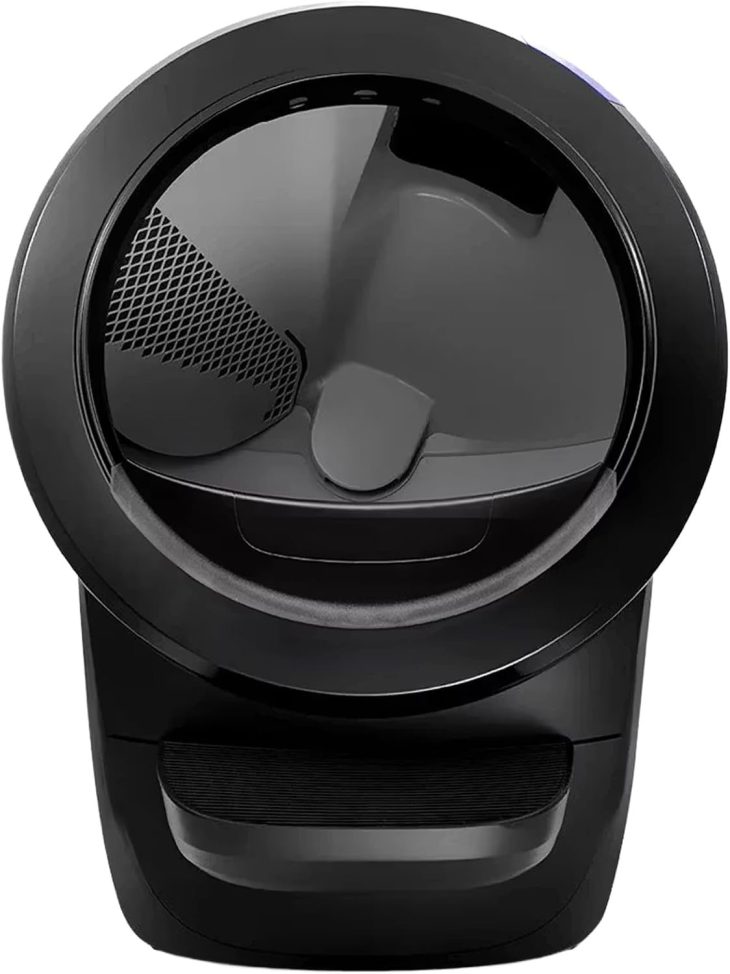
Seven hundred dollars is an absurd amount of money for a litter box, and the Litter-Robot 4 is the best-selling one anyway. The pitch is straightforward enough that it barely needs explaining: you never scoop again. What makes it more interesting than a novelty is what Whisker built around the sifting mechanism — an app that tracks how often each cat visits, weighs them on the way out, and tells you when litter is running low. That turns a litter box into a passive health monitor for an animal that is famously good at hiding illness, which is a genuinely different proposition from a very expensive scoop.
Reviews Universe is reader-supported. When you buy through links on our site, we may earn an affiliate commission at no extra cost to you.
The Short Version
Rating: 8.9/10
Best for: Multi-cat households, anyone who travels, and owners who want early warning of health changes
Price: $699
Verdict: It genuinely eliminates scooping and the weight tracking is a real health tool rather than a gimmick. Expensive, physically large, and the one-year warranty is thin for the money — but nothing else in the category does this job as well.
Litter-Robot 4 Overview
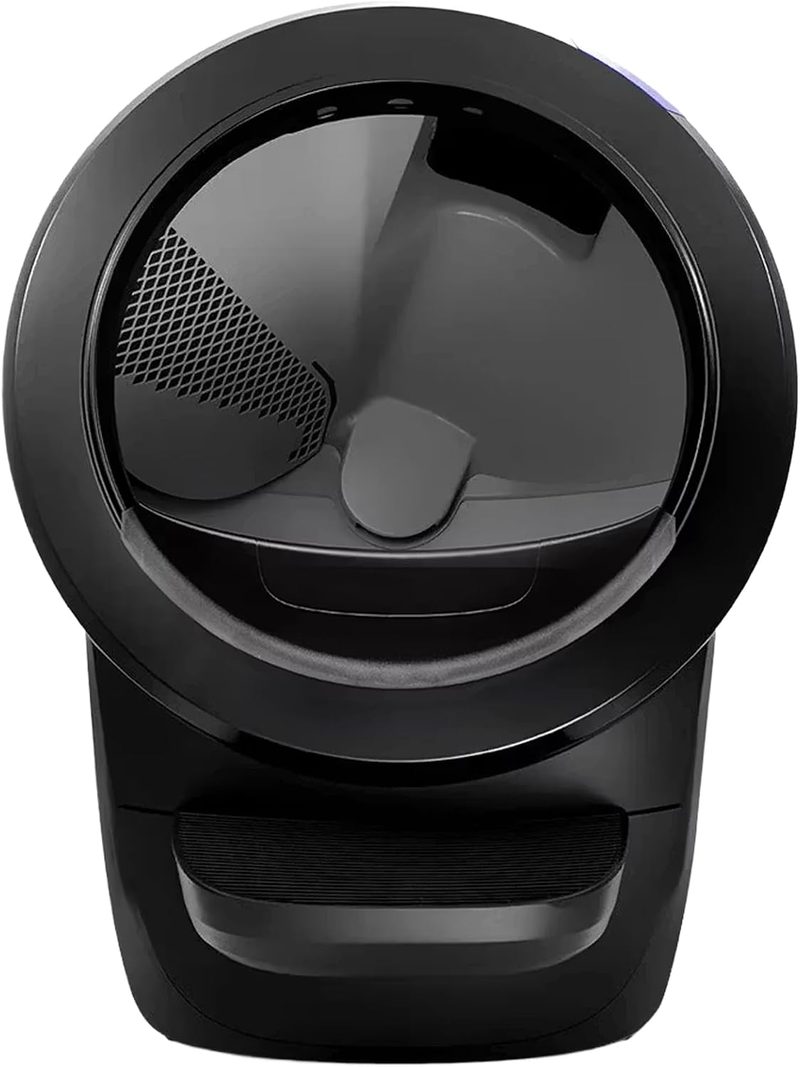
The Litter-Robot 4 is Whisker’s fourth-generation automatic litter box, and the version reviewed here ships with the step and fence accessories included at $699. The core mechanism is a patented sifting process: after your cat leaves, the globe rotates, clumped waste is separated from clean litter and dropped into a sealed drawer below, and the clean litter is returned to the bed. Your entire involvement is emptying the waste drawer when the app tells you it is full — typically every week or two depending on how many cats you have.
That sifting approach is why it works better than the alternatives. Rake-based automatic boxes drag a comb through the litter and jam whenever a clump is too soft or too hard. Rotation and gravity are more forgiving, which is the practical reason this design has outlasted its competitors.
It supports up to four cats, and each cat must weigh at least 3 pounds to trigger the sensors safely in automatic mode. That lower limit matters for kitten households — very small kittens will not be detected, and Whisker is explicit that they should not use it in automatic mode until they reach weight.
Litter-Robot 4 Specs
| Litter-Robot 4 (with Step & Fence) | |
|---|---|
| Price | $699 |
| Cleaning method | Patented rotating sifting process |
| Cats supported | Up to 4 |
| Minimum cat weight | 3 lbs (1.4 kg) for automatic mode |
| Waste storage | Sealed drawer below the globe |
| App | Whisker app for iPhone and Android |
| Real-time monitoring | Waste and litter levels |
| Health tracking | Visit frequency, health insights, weight after each use |
| Odor control | Carbon filters or optional OdorTrap packs |
| Litter tracking control | Included fence and step |
| Placement requirement | Must not touch any walls |
| Litter type | Clumping litter |
| Warranty | WhiskerCare 1-year, extended plan available |
| Returns | 90 days from receipt |
| Colors | Black or white |
Living With It
The transition period is the part nobody warns you about. Cats are conservative about bathrooms and the Litter-Robot is a large enclosed globe that occasionally moves and makes noise. Whisker’s own guidance is to run it alongside the existing litter box for a week or two before removing the old one, and that advice is worth following even if your cat seems curious immediately. Most cats adapt within days; a few take weeks; a small number never accept it, which is what the 90-day return window is for.
Placement has one non-negotiable rule: the unit must not touch any wall or be pushed into a corner. The globe needs clearance to rotate and the sensors need unobstructed positioning. This is the single most common setup mistake, and combined with the unit’s size it means you need a genuinely open area of floor — more than a conventional litter box demands, which is worth measuring before you order.
The step and fence included in this configuration address litter tracking, which is the perennial complaint about every litter box ever made. The fence contains scatter as the cat exits and the step catches granules off their paws. It does not eliminate tracking, because nothing does, but it reduces it substantially compared with an open tray.
Odor control comes from the combination of the automatic cycle and carbon filters. The mechanism matters more than the filters: because waste is sifted into a sealed drawer within minutes of being deposited, it simply is not sitting exposed the way it does in a box scooped once a day. Optional OdorTrap packs are available if your household needs more. In practice, most owners report a clear improvement over a manually scooped box.
The App Is the Actual Product
It would be easy to dismiss the Whisker app as the obligatory connected-appliance tick box. It is not, and it is the strongest argument for choosing this over a cheaper automatic box.
The straightforward part is logistics: real-time waste and litter levels, so you know when to empty the drawer and top up litter without checking, and remote control of the cycle. Useful, unremarkable.
The valuable part is health monitoring. The unit weighs your cat after every single use and logs visit frequency over time. Cats conceal illness instinctively — it is a survival behavior — and by the time a cat visibly shows symptoms, a condition is often well advanced. Two of the earliest measurable indicators of serious feline illness are changes in litter box frequency and gradual weight loss. Increased urination frequency is an early marker of diabetes, hyperthyroidism and kidney disease; straining and repeated short visits can indicate a urinary blockage, which is a genuine emergency in male cats. Steady weight loss over weeks precedes visible symptoms in a long list of conditions.
A litter box that quietly records both of these for every cat in the house, every day, is doing something your veterinarian cannot do between annual visits. It is not a diagnostic tool and it should not be treated as one, but noticing that a cat’s visits have doubled over two weeks is exactly the kind of early signal that gets a treatable condition treated early. For a multi-cat household — where nobody can reliably tell which cat did what — this is the feature that justifies the price.
Pros and Cons
Pros
- Genuinely eliminates daily scooping — empty the drawer every week or two
- Rotating sift mechanism is far more reliable than rake-based automatic boxes
- Weighs your cat after every use, giving early warning of weight loss
- Tracks visit frequency, an early indicator of urinary and kidney problems
- Real-time waste and litter level monitoring in the app
- Sealed waste drawer plus carbon filters substantially reduce odor
- Included step and fence noticeably cut litter tracking
- Supports up to 4 cats
- 90-day return window if your cat refuses to use it
Cons
- $699 is a great deal of money for a litter box
- Physically large and cannot touch any wall, so it needs real floor space
- One-year standard warranty is thin at this price
- Requires clumping litter
- Cats under 3 pounds cannot use automatic mode
- Some cats need weeks to accept it, and a few never do
- Ongoing cost of carbon filters or OdorTrap packs
Who Should Buy the Litter-Robot 4
Buy it if you have multiple cats. This is the clearest case. The workload of scooping scales with the number of cats, and so does the difficulty of noticing that one specific animal is drinking more or losing weight. The per-cat weight and visit tracking solves a problem that is genuinely hard to solve any other way in a multi-cat home.
Buy it if you travel or work long hours. A box that sifts itself after every use stays clean for days without you, which is both better for the cat and one less thing to arrange around a trip.
Buy it if your cat is older or has a history of urinary issues. The frequency tracking is most valuable precisely where the risk is highest, and repeat urinary blockages in male cats are both common and life-threatening.
Do not buy it if floor space is tight. It is large and it cannot be tucked into a corner or against a wall. Measure the space you actually have first.
Do not buy it for a kitten under 3 pounds. Automatic mode will not detect them safely. Wait until they reach weight.
Bundles and Alternatives
Litter-Robot 4 Supply Bundle ($749) — The same unit with consumables included. If you were going to buy filters and waste drawer liners anyway, the $50 premium is roughly break-even and saves a separate order.
Litter-Robot 4 Supply and Accessory Bundle ($799) — Adds accessories on top of the consumables. Worth it only if you specifically want the extras included.
Litter-Robot 4 in White ($699) — Identical machine, lighter finish. Choose on where it will sit in your home; white shows dust more, black shows tracked litter more.
Frequently Asked Questions
Is the Litter-Robot 4 worth $699?
For a multi-cat household, or for anyone who travels, it usually is. You genuinely stop scooping — the sifting cycle runs after each use and you empty a sealed drawer every week or two. The feature that justifies the price beyond convenience is health monitoring: it weighs each cat after every use and logs visit frequency, both of which are early indicators of kidney disease, diabetes, hyperthyroidism and urinary blockages. For a single young healthy cat, the value case rests mostly on convenience.
How many cats can use one Litter-Robot 4?
Up to four. Each cat must weigh at least 3 pounds to be detected safely in automatic mode, which rules out very small kittens until they grow. The general recommendation for any household is one litter box per cat plus one, so a four-cat home using a single unit may still see some cats prefer an additional conventional box, particularly if they are territorial about bathrooms.
Does the Litter-Robot 4 really reduce litter box smell?
Yes, meaningfully. The main reason is mechanical rather than chemical: waste is sifted into a sealed drawer within minutes of being deposited, so it is not sitting exposed in the litter bed the way it is in a box scooped once a day. Carbon filters handle what remains, with optional OdorTrap packs available for households that need more. Most owners report a clear improvement over manual scooping.
What kind of litter does the Litter-Robot 4 use?
Clumping litter is required, because the sifting mechanism works by separating solid clumps from loose clean litter. Non-clumping litter will not form the solid masses the sift needs and will not separate properly. Standard clumping clay litter is the most common choice and works well; some clumping alternatives also work, but check that they form firm clumps rather than crumbling.
Will my cat actually use it?
Most cats adapt within a few days, but some take weeks and a small number never accept it. Cats are conservative about where they toilet and this is a large enclosed unit that moves and makes noise. The recommended approach is to run it alongside the existing litter box for a week or two rather than removing the old box immediately. Whisker offers a 90-day return window from receipt, which exists precisely for the cats who refuse.
Where should I put the Litter-Robot 4?
In an open area where it does not touch any wall and is not pushed into a corner — this is a firm requirement, not a suggestion, because the globe needs clearance to rotate and the sensors need unobstructed positioning. It also needs a power outlet nearby. Combined with the unit’s size, this means it demands noticeably more floor space than a conventional litter box, so measure before ordering.
Final Verdict
The Litter-Robot 4 is an expensive appliance that does exactly what it promises, and the health tracking makes it more useful than its price tag suggests. The sifting mechanism is more reliable than any rake-based competitor, the sealed waste drawer genuinely controls odor, and the included step and fence keep litter tracking manageable. You stop scooping, permanently, which is the reason most people buy it.
The reason to buy it rather than a cheaper automatic box is the app. Weighing every cat after every visit and logging how often each one uses the box turns a litter box into a passive early warning system for the conditions that most commonly threaten cats — and that are hardest to spot in a multi-cat home. That is a genuine argument, not marketing.
The reservations are fair. $699 is a lot. It is physically large and cannot go against a wall. And a one-year standard warranty on a $699 motorized appliance is thinner than it should be, which makes the extended plan worth pricing.
Rated 8.9 out of 10. If you have more than one cat, this is an easy recommendation. If you have one cat, a small home, and a scoop you do not mind using, it is a luxury rather than a solution.